
Beyond the Buzz: Why the AI-Powered Workplace is a Slow Burn, Not a Wildfire
Introduction
If you open LinkedIn today, you might believe that Artificial Intelligence is about to replace every office manager, redesign your floor plan overnight, and perhaps even water the plants.
The noise around AI in workplace management is deafening. But for those of us tasked with the practical realities of running facilities and improving employee experience, it’s vital to cut through that noise.
When looking at technological change, we often fall victim to "Amara’s Law": We tend to overestimate the effect of a technology in the short run and underestimate the effect in the long run.
AI in the workplace is currently sitting squarely in that first category - overhyped today. Yet, it is poised to fundamentally revolutionize how we manage our corporate real estate footprints over the next decade.
Here is a realistic look at how AI is changing the office, moving from today's incremental improvements to tomorrow’s autonomous workplace.
The Short Term: Smarter Scheduling, Not Magic
Right now, if you are looking at workplace technology, AI’s immediate impact is helpful, but hardly sci-fi.
In the immediate future, AI is acting largely as a very efficient assistant. It is taking the friction out of existing processes, particularly in the realm of hybrid work strategies.
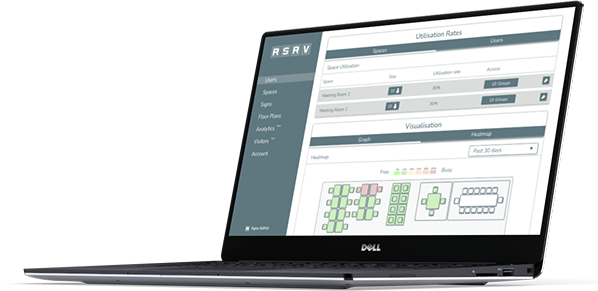
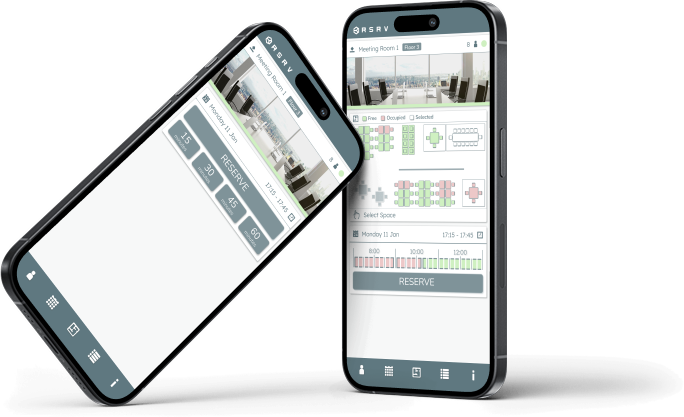
For employee-facing tools, this means smarter desk booking and meeting room reservations. Instead of a static map, imagine a system that suggests the best days to come into the office based on when your key collaborators are booked in. It’s about smoothing out the logistics of a flexible schedule.
For facility managers, short-term AI is about reactive adjustments. It might flag that a specific neighborhood on the third floor is consistently overcrowded on Tuesdays, prompting a manual rethink of team allocations.
It is better, faster, and more data-informed. But it still requires significant human intervention. The current tools are streamlining the hybrid shuffle, not solving the underlying puzzle.
The Long Run: The "Self-Driving" Office
Where Amara’s Law kicks in is the long-term view. While we are busy optimizing desk ratios today, AI is learning to manage the entire ecosystem.
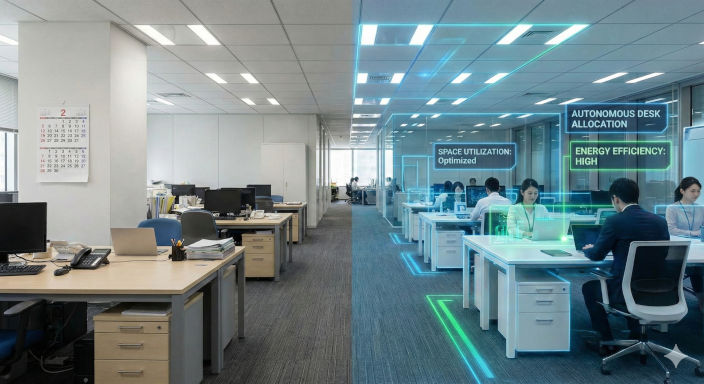
The true revolution will happen when AI shifts from reactive analytics to predictive modeling and autonomous action. This is where workplace analytics stops being a monthly report and becomes the office’s central nervous system.
Imagine an office that "breathes" based on real-time needs.
Predictive Space Utilization:
Instead of looking at last month’s badge swipe data to guess future needs, AI models will digest vast amounts of data - hybrid schedules, project deadlines, seasonality, even local transit patterns - to predict occupancy weeks in advance.
This allows leaders to optimize their real estate footprint dynamically. Why heat, cool, and light three floors on a Friday when the predictive model knows with 98% certainty that only one floor will be needed? The potential for operational cost savings and sustainability gains is immense.
The Autonomous Workplace:
In the longer term, the system won’t just tell you to move a team; it might do it. If an engineering team suddenly ramps up hiring, the building’s operating system could automatically reconfigure flexible wall partitions over the weekend, update the wayfinding digital signage, and adjust the HVAC zoning before the first employee arrives on Monday morning.
The Human Element: Frictionless Employee Experience
The ultimate goal of this revolution isn't just efficiency; it's an elevated
employee experience.
The most successful workplace strategies realize that the office must compete with the convenience of home. The long-term promise of AI is an office that anticipates needs. It’s a workplace where the technology is invisible because it just works.
It’s the difference between booking a desk, and having the building automatically assign you the perfect workspace near your project team, adjust the lighting to your preference, and have your coffee order ready when you walk in - all without you opening an app.
Preparing for the Shift
The hype cycle is distracting, but the eventual reality of the AI-driven workplace is inevitable.
For leaders in facility management and HR, the job right now isn't to buy every shiny new AI tool. It is to ensure you have the foundational data infrastructure in place. You cannot train a predictive model if you don't have accurate, historical data on how your spaces are being used today.
Don't let the short-term buzz buzz overwhelm you. Focus on gathering high-quality utilization data now, so when the real revolution arrives, your workplace is ready to drive itself.